A Celebration of Society and Taste in Indian Cuisine: The Most Precious Famous Indian Food
The Rich Heritage of North Indian Food
North Indian food is frequently commemorated for its varied flavors and rich appearances, it additionally shows a deep social heritage that has developed over centuries. Influenced by different historic events, such as the Mughal occupation and the arrival of various communities, this food showcases a combinations of culinary methods. Trademark dishes like biryani and butter poultry disclose the region's historical connections and making use of flavors, lotion, and yogurt, which boost the flavor profiles.
Typical cooking techniques, such as tandoori baking, play an essential duty in creating distinct structures and tastes that are characteristic of North Indian food. Celebrations and spiritual celebrations better enrich this culinary tapestry, as families collaborated to prepare fancy meals. The emphasis on communal dining fosters a sense of togetherness, making North Indian cuisine not nearly food, but an embodiment of social identification and heritage, valued across generations.
The Vibrant Flavors of South Indian Cuisines
What makes South Indian food stand out is its vibrant array of tastes that entice the palate. This regional fare is defined by its use fresh active ingredients and aromatic seasonings, creating dishes that are both delicious and healthful. Staples like rice and lentils form the structure of several dishes, while coconut, curry leaves, and tamarind add distinct preferences.
Renowned dishes such as dosa, a crunchy fermented crepe, and uttapam, a thick pancake covered with vegetables, exhibit the region's love for fermentation and texture. Naan. Sambar, a lentil-based vegetable stew, and rasam, a zesty soup, display the perfect mix of flavors and seasonings that identify South Indian culinary practices
Enhancements like coconut chutney and pickles elevate these meals additionally, providing contrasting flavors. Together, these aspects develop a cooking experience that is both varied and deeply rooted in practice, making South Indian food beloved around the world.
The Spicy Delights of East Indian Culinary Traditions
East Indian culinary traditions are renowned for their strong and hot tastes, setting them besides various other local foods in India. This region boasts a rich tapestry of recipes affected by varied societies, from Bengali fish curries to the intense thrills of Odisha's seaside offerings. Seasonings such as mustard, coriander, and cumin are staples, blending harmoniously to create vibrant curries and lentil dishes. Making use of green chilies and red chili powder includes an apparent warm that characterizes many East Indian dishes.
Bengali food, specifically, is popular for its spicy and pleasant equilibrium, featuring dishes like shorshe ilish, where hilsa fish is prepared in mustard sauce. The use of panch phoron, an one-of-a-kind five-spice mix, raises everyday meals. The concentrate on fresh, neighborhood components and bold flavoring not just enhances taste but additionally shows the region's social heritage, making East Indian cuisine a real celebration of seasoning and taste.
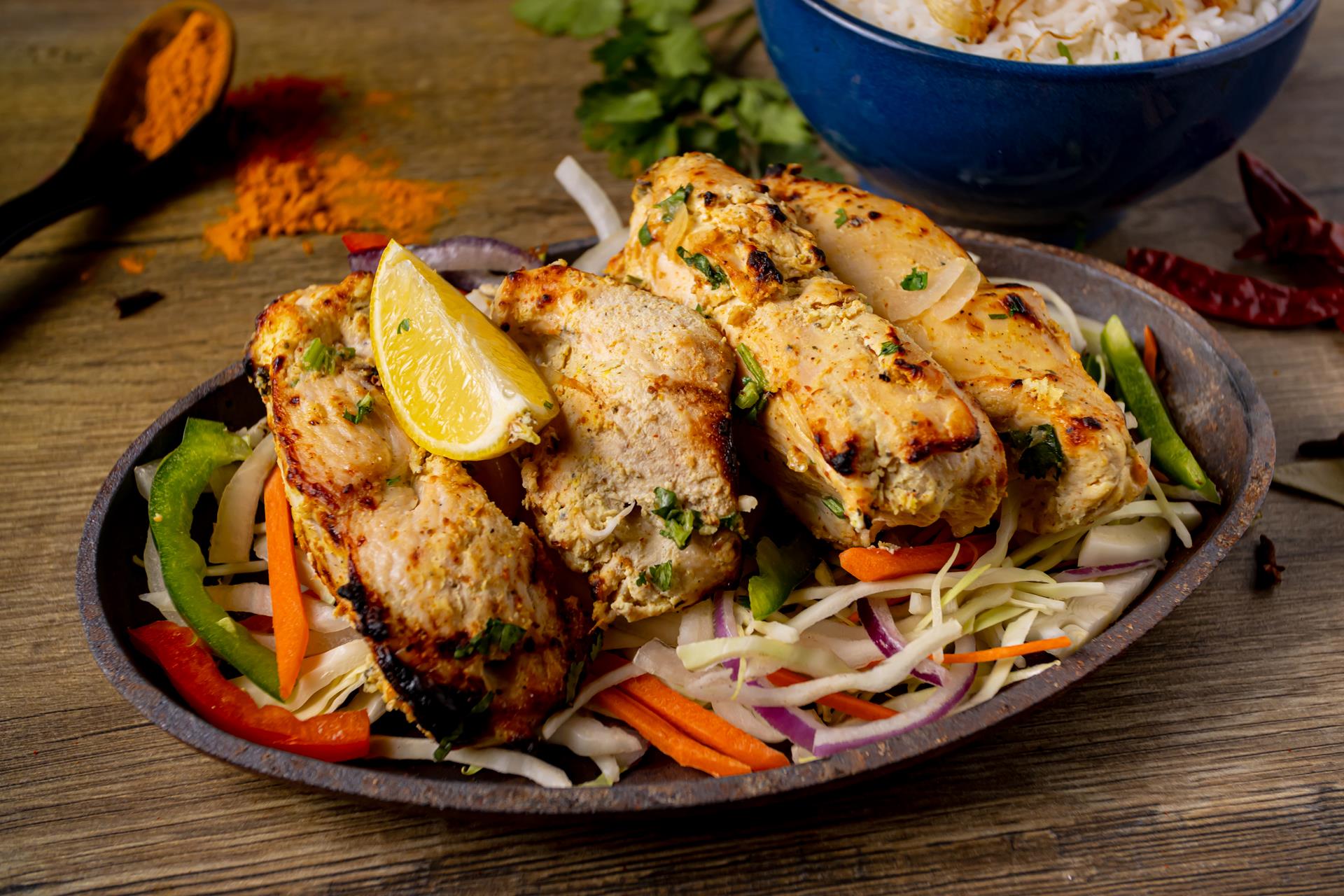
The Wholesome Convenience of West Indian Favorites
West Indian cuisine offers a fascinating variety of comfort foods that mirror the area's diverse social influences and vivid agricultural bounty. Staples such as rice and peas, frequently enriched with coconut milk, embody the significance of island life. Dishes like curried goat and jerk hen showcase the vibrant flavors and spices that identify this cooking tradition.
Plantains, fried to a gold crisp, function as a precious side, matching several meals with their mouthwatering and sweet notes. indian food. Making use of fresh natural herbs, such as thyme and cilantro, elevates the meals, giving aromatic deepness
In addition, the hearty roti, normally packed with veggies or meats, is a preferred amongst citizens, providing a satisfying and filling choice. Each dish is a celebration of the region's rich background, mixing indigenous ingredients with influences from African, Indian, and European foods. With each other, these components add to the reassuring and wholesome nature of West Indian faves.
The Impact of Road Food in Indian Gastronomy
Though frequently ignored in official cooking discussions, street food plays a critical function fit Indian gastronomy, showing the nation's rich cultural tapestry. Cities and towns across India are adorned with vibrant stalls and carts, each providing a special selection of tastes and dishes that tell local tales. From the spicy flavor of chaat in Delhi to the crunchy vadas of Mumbai, these culinary delights act as a connection in between neighborhoods and their heritage.
Road food is not practically taste; it represents availability and affordability, making it a staple for numerous. Suppliers commonly include local active ingredients, showcasing India's varied agricultural bounty (Best indian near me). In addition, street food promotes social interaction, as individuals gather to appreciate dishes together, producing a feeling of area. pastaio Fundamentally, the impact of street food transcends mere food, embodying the spirit of India's cooking identity and offering a glance right into the nation's dynamic culture
Frequently Asked Inquiries
What Are the Wellness Perks of Traditional Indian Seasonings?
Conventional Indian seasonings offer many health advantages, including anti-inflammatory residential properties, improved food digestion, enhanced metabolic rate, and antioxidant effects. They may additionally sustain heart health, control blood sugar level levels, and boost immunity, adding to overall well-being.
Exactly How Can I Adjust Indian Dishes for Dietary Restrictions?
To adjust Indian recipes for dietary limitations, one can replace active ingredients, adjust spice levels, and explore options like plant-based healthy proteins or gluten-free flours, guaranteeing the essence of the meal stays while meeting individual dietary needs.
What Are one of the most Popular Indian Desserts?
Popular Indian desserts include gulab jamun, a pleasant syrup-soaked dumpling; jalebi, a crunchy, spiraled treat; and rasgulla, a squishy cheese ball. These delicacies are valued for their distinct flavors and structures, enchanting treat fanatics worldwide.
How Do Indian Cooking Strategies Differ Between Regions?
Indian food preparation techniques vary considerably by region, influenced by cultural practices and regional ingredients. Northern regions frequently employ tandoor food preparation, while southerly locations favor frying and steaming. Each approach shows distinct flavors and cooking customs.
What Is the Relevance of Events in Indian Cuisine?
Events hold tremendous importance in Indian cuisine, as they personify cultural traditions, foster public bonds, and celebrate wealth. Distinct dishes are prepared, signifying heritage and spirituality, while reinforcing the relevance of sharing and togetherness during these occasions.
North Indian food is typically celebrated for its diverse tastes and abundant appearances, it additionally reflects a deep social heritage that navigate here has advanced over centuries. What makes South Indian cuisine stand out is its lively array of flavors that entice the taste buds. East Indian culinary traditions are renowned for their zesty and bold flavors, setting them apart from look these up various other local foods in India. West Indian food supplies a wonderful array of comfort foods that mirror the region's diverse social influences and vivid agricultural bounty. Each dish is a celebration of the region's rich background, mixing indigenous components with impacts from African, Indian, and European foods.