Looking Into Indian Food: the Allure of Famous Indian Food You Should Attempt
Indian cuisine provides a rich tapestry of flavors and traditions. Each meal mirrors a distinct story, shaped by regional ingredients and social impacts. From aromatic curries to dynamic road food, every bite provides a chance to discover India's diverse cooking landscape. The journey through its flavors and specializeds assures to uncover covert gems, sparking and enticing the taste curiosity. What awaits in this dynamic globe of food?
The Seasoning Harmony: Recognizing Indian Spices
The vibrant tapestry of Indian food is delicately woven with a varied range of seasonings, each adding distinct flavors and health benefits. Flavors such as cumin, coriander, and turmeric form the foundation of many recipes, instilling them with heat and depth. Cumin seeds offer a nutty aroma, while coriander includes a citrusy illumination. Turmeric, known for its vibrant tone, not just improves aesthetic allure yet additionally boasts anti-inflammatory residential or commercial properties.
Various other noteworthy seasonings include garam masala, a mix that differs regionally, and cardamom, which gives a wonderful, aromatic touch. Mustard seeds, with their pungent kick, and fenugreek, with its a little bitter preference, further enrich the cooking landscape. The careful equilibrium of these seasonings is essential, as each one plays a role in producing the harmony quality of Indian dishes. Recognizing these seasonings is substantial for any individual looking for to value the intricacy and richness of Indian food.
Iconic Curries: A Trip Via Regional Flavors
Curries stand for the heart of Indian culinary culture, showcasing the richness and variety of regional tastes across the subcontinent. Each region boasts its one-of-a-kind analysis, affected by regional active ingredients, customs, and environment. In the north, luscious butter chicken and aromatic paneer tikka masala tantalize palate, while the south offers a vivid selection of coconut-based curries like Kerala's fish curry and the spicy sambar.
The east is renowned for its mustard-infused dishes, such as the renowned Bengali mutton curry, while the west features rich, appetizing curries like Goan vindaloo and Rajasthani dal baati churma. (indian food)
These iconic curries not just serve as a cooking pleasure but likewise narrate the stories and heritage of their corresponding areas. As one checks out these varied offerings, a much deeper understanding of India's social mosaic unfolds, strengthening the significance of curries in the country's gastronomic identity.
Biryani: The Royal Rice Meal
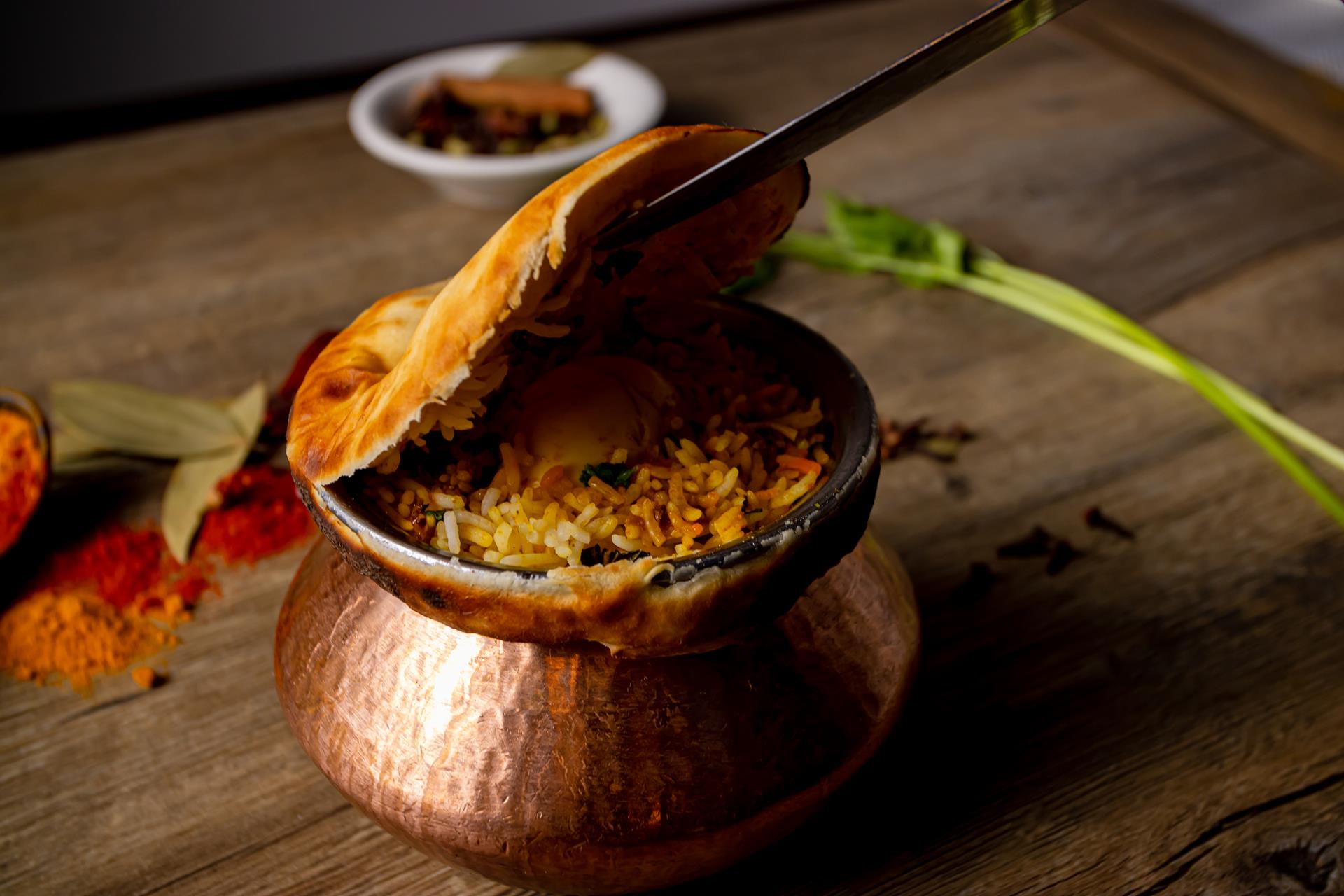
Biryani, typically considered the imperial rice dish of India, flaunts a rich history that shows the social exchanges of the Indian subcontinent. Its beginnings are steeped in the customs of Mughal kitchens, while various regional adaptations have arised, each showcasing special flavors and ingredients. This cooking masterpiece remains to advance, disclosing a tapestry of preferences that celebrate India's varied heritage.
Origins and History
Originating from a rich tapestry of social impacts, biryani stands as an icon of India's culinary heritage. Its roots trace back to the Persian word "birian," implying "fried before cooking," highlighting its distinct food preparation technique. The dish got prominence throughout the Mughal age, where imperial kitchen areas perfected it, blending rice with marinaded meats and a harmony of spices. This elegant recipe was frequently offered at grand feasts, showcasing the wide range and class of Indian nobility. With time, biryani progressed, absorbing regional active ingredients and cooking techniques, which contributed to its prevalent appeal. Today, it remains a beloved dish, commemorated not just for its taste yet likewise for its historical relevance, mirroring the assemblage of varied societies within India.
Regional Variations Explained
The varied landscape of Indian food showcases an array of local biryani variants, each mirroring neighborhood customs and components. In Hyderabad, the Hyderabadi biryani is renowned for its great smelling basmati rice and seasoned meat, usually layered with saffron and fried onions. At the same time, Kolkata biryani includes a special combination of potatoes and steamed eggs, affected by Mughal traditions. In the southerly areas, the Malabar biryani integrates coconut and spices, highlighting local tastes. The Lucknowi or Awadhi biryani is characterized by its slow-cooking technique, enhancing the recipe's aromatic top qualities. Each alternative not just stands for the geographical diversity of India however also the social heritage, making biryani a beloved culinary work of art throughout the nation.
Street Food Sensations: A Preference of India on the move
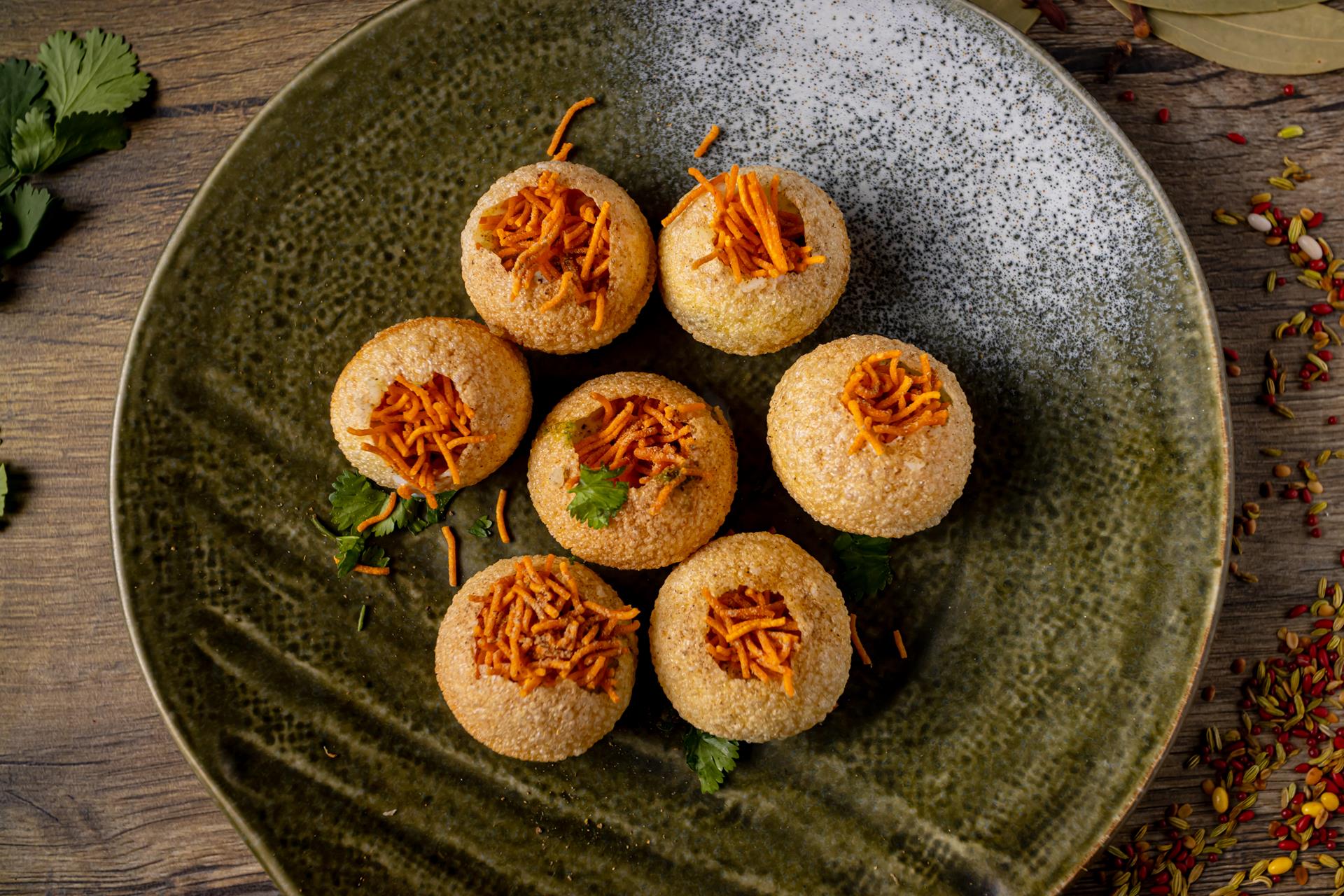
India's lively street food scene supplies a selection of tastes and structures that mesmerize residents and visitors alike. From dynamic urban markets to peaceful village lanes, street vendors dish out a luring mix of snacks. Popular dishes include pani puri, where crispy puris ruptured with zesty water, and vada pav, a spicy potato fritter offered in a bun. Chaat stands deal a dairy queen canada fascinating collection of savory and pleasant elements, attracting palate with each bite.
The aroma of crackling pakoras and fresh bhajis fills the air, attracting crowds passionate to indulge. Each area offers its very own specialties, such as the spicy bhel puri of Mumbai or the succulent kathi rolls of Kolkata (indian food). Street food not just satisfies appetite but likewise supplies a glimpse right into the local culture, making it a vital experience for anybody venturing right into the varied cooking landscape of India
Vegan Pleasures: Celebrating Plant-Based Indian Food
Indian cuisine offers a vibrant selection of vegetarian dishes that highlight its rich cultural heritage and diverse local specializeds. Making use of nutrient-rich active ingredients, these dishes not only satisfy the palate but also supply crucial health benefits. Popular dishes, such as paneer tikka and chole article source bhature, exemplify the creative thinking and tastes discovered within plant-based Indian food preparation.
Nutrient-Rich Ingredients
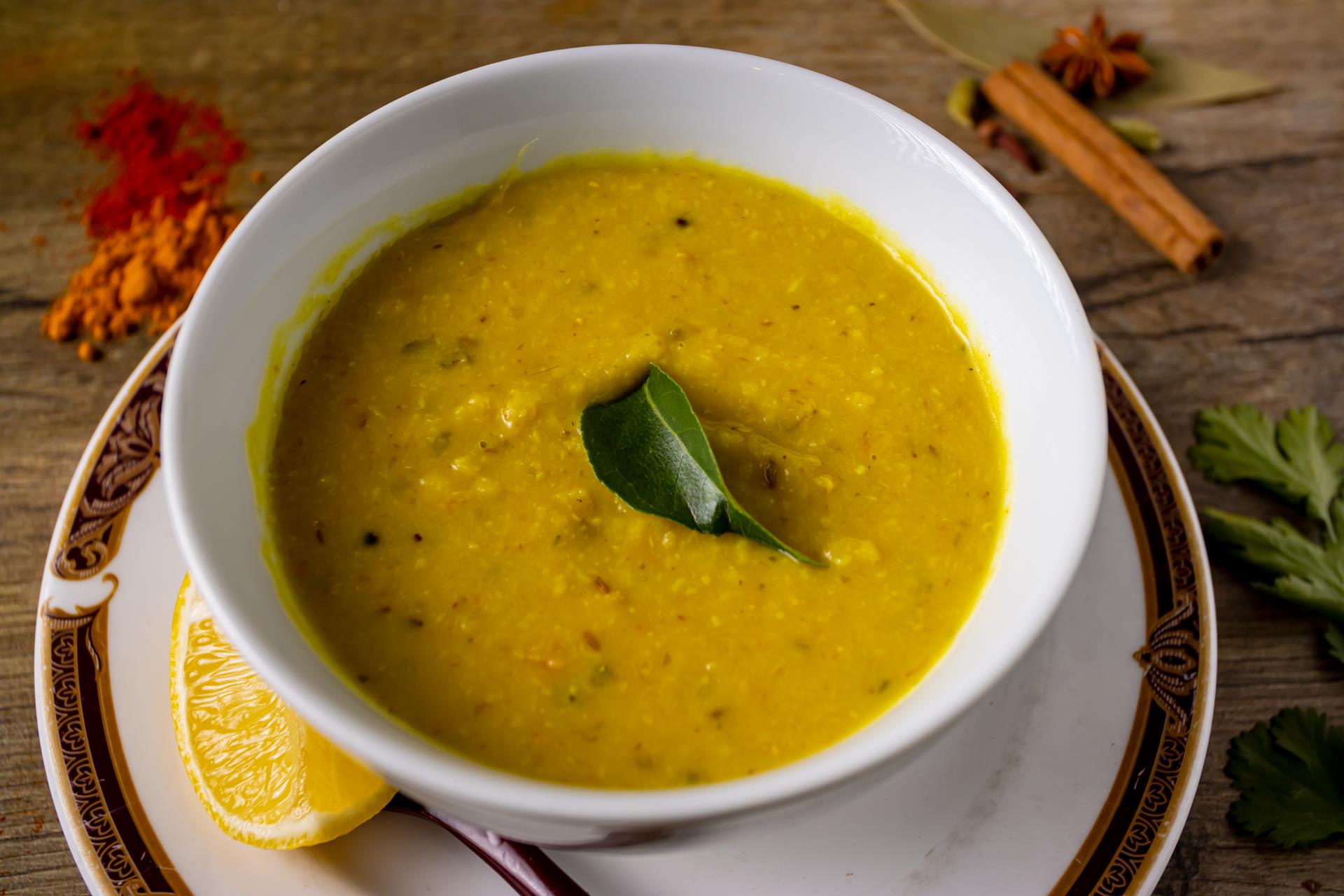
While discovering the dynamic world of vegan Indian food, one promptly finds a treasure of nutrient-rich components that not just tantalize the preference buds yet likewise promote health and wellness and health. Lentils, or dal, work as a primary healthy protein source, loaded with fiber and crucial amino acids. Leafed eco-friendlies like spinach and fenugreek offer vital minerals and vitamins, while lively seasonings such as turmeric and cumin boast anti-inflammatory residential properties. Chickpeas, typically used in meals like chana masala, are rich in healthy protein and iron. Additionally, various vegetables, consisting of eggplant and okra, add fiber and anti-oxidants. These ingredients, when combined, develop an unified equilibrium of flavors and nourishment, showcasing the healthy significance of plant-based Indian food.
Regional Specialties Summary
As one discovers the varied landscape of vegan cuisine found across the subcontinent, it becomes evident that each region flaunts its own one-of-a-kind specializeds, mirroring regional active ingredients, practices, and tastes. In the north, hearty dishes like sarson da saag and makki di roti commemorate mustard eco-friendlies and cornmeal, while the west showcases the vivid usage of seasonings in meals like dal baati churma. Southern regions use coconut-infused specials such as sambar and dosa, highlighting the abundance of rice and beans. The east features the pleasant and savory equilibrium of dishes like shorshe ilish, which integrates mustard with fish. This regional range underscores the rich tapestry of Indian vegan cuisine, inviting exploration and admiration of its many offerings.
Popular Cuisine Highlighted
Wonderful Ends: Standard Indian Desserts to Savor
Indian treats supply a wonderful conclusion to any kind of dish, showcasing a rich tapestry of flavors and appearances. Amongst one of the most popular is Gulab Jamun, a soft, syrup-soaked treat made from khoya and flavored with cardamom. An additional preferred, Jalebi, features crispy spirals taken in sweet syrup, commonly delighted in hot. For those that prefer a luscious structure, Kheer-- a rice dessert made with milk, sugar, and nuts-- provides a calming sweet taste.
Barfi, a fudge-like confection, can be found in various flavors such as pistachio and coconut, interesting varied tastes buds. Additionally, Ladoo, round desserts made from flour and sugar, are prominent festive deals with (takeout and delivery). Each dessert reflects local variations and social significance, welcoming exploration. These standard Indian sweets not only satisfy the wonderful tooth however additionally use a glance right into the nation's culinary heritage, ensuring they are a must-try for anyone delighting in Indian cuisine
Regularly Asked Concerns
Are Indian Spices Available in Grocery Stores Outside India?
Yes, Indian spices are widely readily available in food store beyond India. Several global markets and specialized shops stock them, allowing individuals everywhere to discover and appreciate the diverse tastes of Indian cuisine.
How Can I Readjust Flavor Levels in Indian Dishes?
To readjust spice degrees in Indian meals, one can enhance or minimize seasoning quantities, add milk items like yogurt, or include wonderful elements such as coconut, sugar, or honey to balance warmth and improve flavors.
What Are Some Usual Misconceptions Concerning Indian Food?
Lots of false impressions about Indian food consist of the belief that all dishes are excessively spicy, that it entirely includes curry, which vegetarian choices lack taste. In truth, Indian cuisine is varied and uses a series of tastes.
Can Indian Cuisine Be Made Gluten-Free?
Just how Do I Choose the Right Indian Dining Establishment?
To pick the right Indian restaurant, one must consider genuine evaluations, food selection selection, cleanliness, making use of fresh active ingredients, and the visibility of knowledgeable team. Personal recommendations can additionally direct the selection process properly.
The mindful balance of these flavors is crucial, as each one plays a function in producing the harmony feature of Indian dishes. Biryani, usually concerned as the royal rice dish of India, flaunts an abundant history that mirrors the social exchanges of the Indian subcontinent. Indian food provides a vivid selection of vegetarian recipes that highlight its abundant social heritage and diverse regional specialties. Legendary meals such as paneer tikka, rich in taste and structure, exhibit the creativity discovered in Indian kitchen areas. Lots of false impressions regarding Indian food consist of the idea that all dishes are excessively zesty, that it solely consists of curry, and that vegan alternatives lack flavor.